Ayzeze: Bu cihaz, profesyonel bir medikal tavsiye, teşhis veya tedavinin alternatifi değildir. Şüphe durumunda, kullanmadan önce lütfen yetkili bir medikal uzmana danışın. Satıcı/dağıtıcı, yanlış kullanım, izinsiz modifikasyon veya belirtilen kullanım alanlarının dışında kullanımdan kaynaklanan hiçbir zarardan sorumlu değildir.
-----
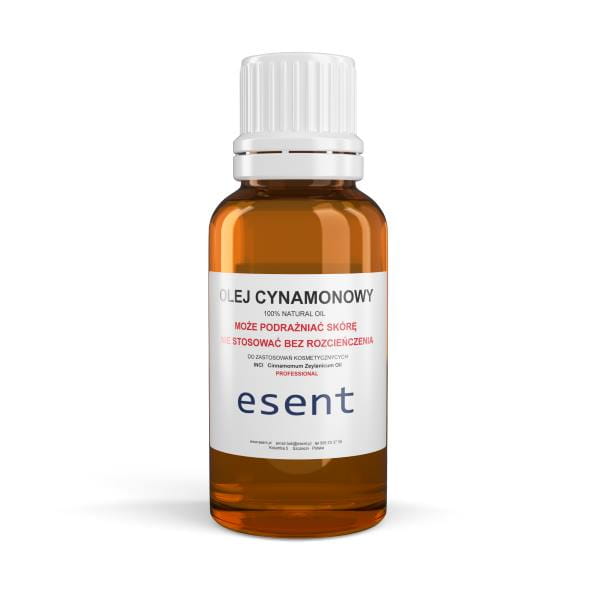
Industrial raw material (RAW MATERIAL) : Cinnamon leaf essential oil INCL : Cinnamomum Zeylanicum Leaf Oil The oil contains Eugenol*, Linalool*, Benzyl Benzoate*, Cinnamal*, Cinnamyl Alcohol*, Coumarin*. *natural components of the essential oil included in the INCI list in accordance with the 7th amendment to the EU Cosmetics Directive. Cinnamon oil is actually an essential oil obtained from the Ceylon cinnamon tree (Latin Cinnamomum zeylanicum Nees, Cinnamomum zeylanicum Breyne). The oil is obtained primarily from the leaves by steam distillation. Oil (cinnamon oil) has antibacterial and antiviral properties. In cosmetics and dermatology, its warming, astringent, and skin-improving properties are valued. Its antifungal properties are also important. It prevents hair follicle plugging by thinning sebaceous secretions, and above all, it is a very effective weapon in the fight against cellulite (by stimulating circulation in the lymphatic system). Used as a massage oil, it supports the treatment of rheumatic diseases and arthritis. Directions for use. Recommended concentration in cosmetic formulas: 0.5-3% Do not use pure oil!!!!! Do not use the oil on the face!!!! Cinnamon oil is a substance that has a very strong effect on the skin. Therefore, it must be diluted before use!!!! The oil dissolves very well in other oils: argan oil, makedamia oil, sweet almond oil. The solution should not contain more than 2% cinnamon oil!!!! After diluting the oil, apply it topically to the skin in areas prone to cellulite. It can also be used to rub joints. Due to its intense effects and strong aroma, it is best used at night. Expect a strong warming effect. Interestingly, the oil is an excellent mosquito repellent and can also be used in small amounts (a few drops) as an addition to aromatic baths. Chemical information. The oil contains approximately 55% cinnamic aldehyde and up to 18% eugenol. A significant portion of the aldehyde is oxidized to cinnamic acid. In more advanced distillation plants, yields of 0.5–1.0% are achieved, and the cinnamic aldehyde content ranges from 42–76% (depending on the quality of the raw material). In addition to this aldehyde, bark oils contain many other compounds that influence their flavor and aroma, such as methyl n-amyl ketone, furfural, L-α-pinene, L-phellandrene, p-cymene, benzaldehyde, nonyl aldehyde, phenylpropyl aldehyde (hydrocinnamic aldehyde), cumic aldehyde, L-linalool, eugenol, and caryophyllene. Information on origin and certifications. The raw material for the oil we sell comes from Ceylon. The oil is obtained by steam distillation.


 Teslim edilmediğinde para iadesi