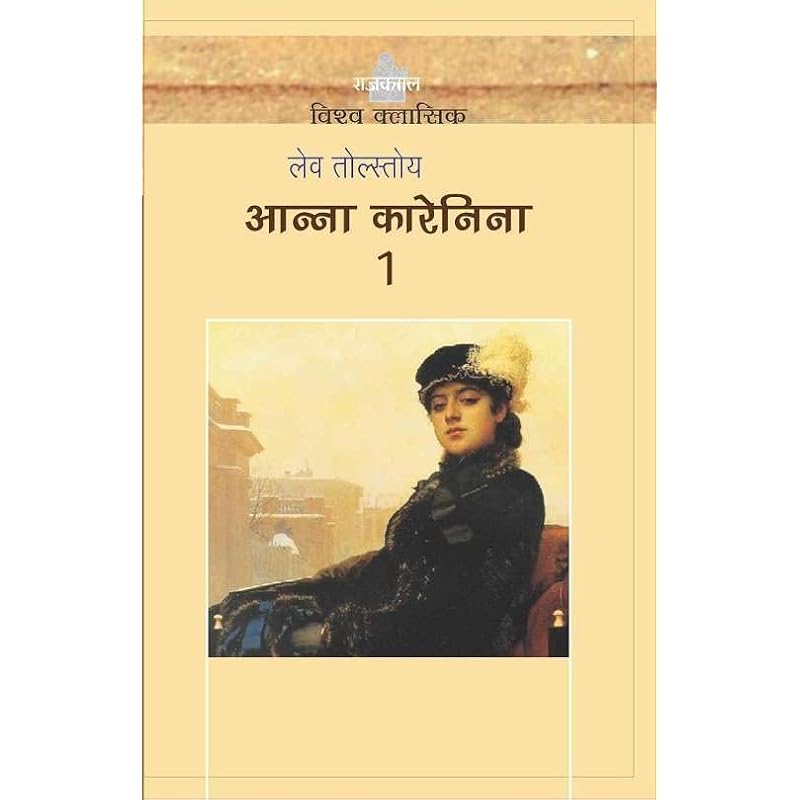
"Anna Karenina," this great novel, which pushes to redefine epic tragedy in new timespace contexts, presents the moral question of guilt or sin within a profound historicalsocial context, placing each individual's responsibility towards society and their own lives at the center of reflection.
At the same time, it also depicts all the fundamental and central contradictions of contemporary Russian life.
Along with addressing the problems of social life, art, and philosophy, Tolstoy also addresses the women's question with deep philosophical concern, focusing on the problems of family and moral life.
It is noteworthy that after the publication of this novel, Tolstoy underwent a profound ideological crisis, culminating in his rejection of all the foundations of the existing system and his ruthless and unflinching critique of the social structure, despite propounding the principle of nonresistance to evil through force.
Although the scope of "Anna Karenina" is narrower than that of "War and Peace," the characters in this novel are more complex.
They appear more sensitive, and their inner tensions and anxieties reflect the uncertainty and instability of life as a whole.
"Anna Karenina" is also, to a certain extent, an autobiographical novel.
While writing it, Tolstoy was undergoing a process of selfclarification about his time and his own life.
Tolstoy's concern with the problems raised and addressed in the novel led him into a new ideological crisis in the late 1870s, and his support for the patriarchal peasant perspective also became endangered.


 Teslim edilmediğinde para iadesi