----------------------------------------------------------------------
[JOOM-Certified Top Store]
🔹 Operated by a certified Japanese seller. Shop with confidence.
----------------------------------------------------------------------
------------------------------------------------------------------------------------------------------------------
★ (While we carry a wide variety of products, the following precautions apply to some of them. Please note that these precautions are listed for all products.)
【Voltage Compatibility】
When using electrical appliances, please note that they are designed for Japanese voltage specifications (90-110V), so if you use them with a different voltage, it may cause a malfunction.
【Plug Type】
Our products use Japanese plug types (A or B type).
Please use a conversion adapter if necessary.
【Important Note on Transformers and Adapters】
A transformer adjusts voltage to match your device’s requirements.
A conversion adapter only changes the plug shape and does not adjust voltage.
Using only a conversion adapter without a transformer may result in damage to the product.
【Liability】
We are not responsible for malfunctions or damages caused by improper use, such as operating the product without a transformer.
------------------------------------------------------------------------------------------------------------------
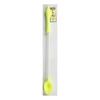
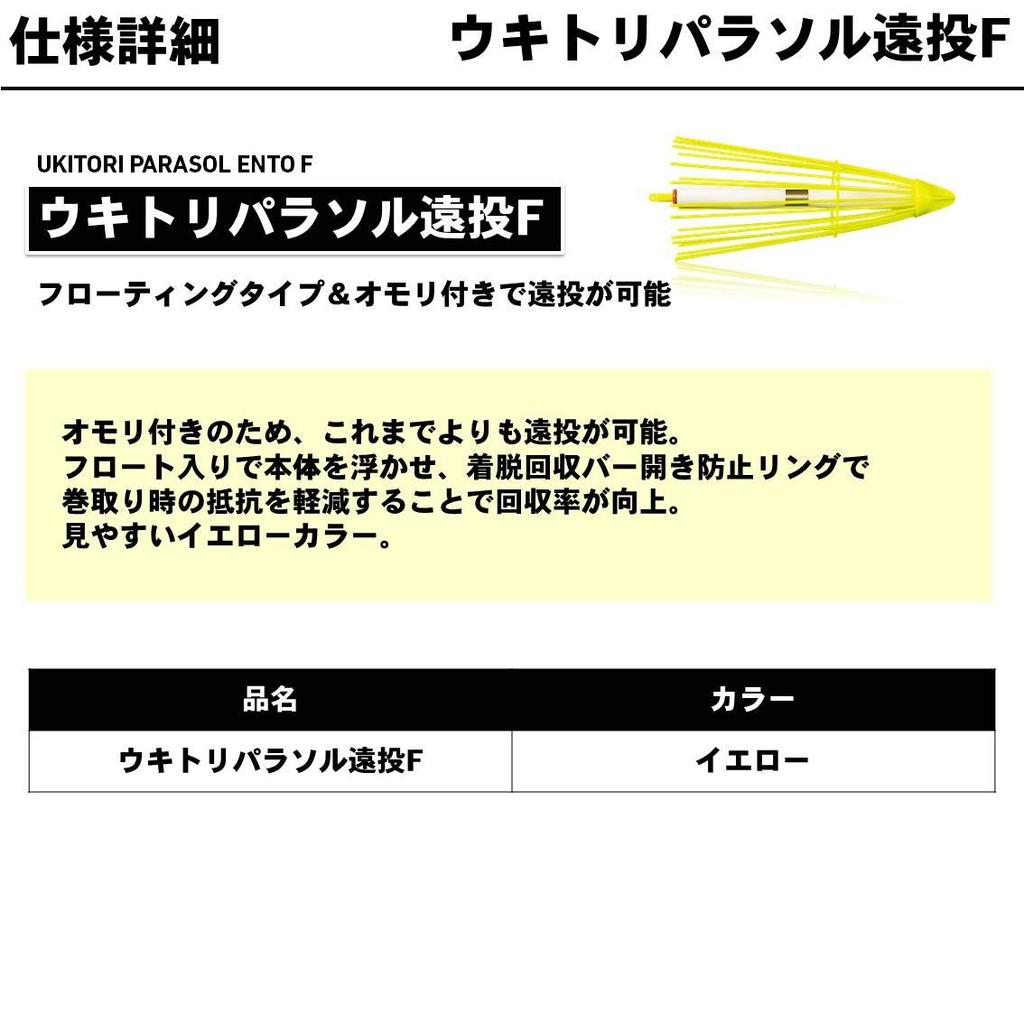
Color: Yellow
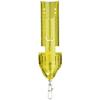
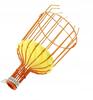
Because it has a weight attached, it can be cast further than before.
The built-in float keeps the main unit afloat, and the anti-opening ring for the detachable retrieval bar reduces resistance during winding, improving the retrieval rate.
Easy-to-see yellow color.
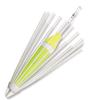
Instructions for use: Tie the broken fishing line to the float holder umbrella.
When the float is floating: Cast the float retrieval umbrella further than the float, and slowly retrieve it across the water's surface with the rod held upright. As you do this, tilt the rod from side to side so that the main line and the float overlap, which will make it easier to scoop up the float. Once the float is inside the float retrieval umbrella, slowly reel it in at a constant speed to retrieve it. Be careful not to reel it in too quickly, as the float you have just retrieved may fly out again.
When the float is submerged (in case of line breakage): Remove the retrieval bar opening prevention ring, weight, and float before use. Cast the float retrieval umbrella upstream of the submerged float (upstream of the current). Slowly sink the float retrieval umbrella and cross the line below the float and the main line tied to the float retrieval umbrella. Slowly reel in the line and hook the float onto the float retrieval umbrella. Once hooked, pull the main line to pull the float free from the snagged line. Once the float is inside the float retrieval umbrella, slowly reel in the line to retrieve the float.
*If there is a knot in the line or a swivel above the float, the float will get caught and cannot be retrieved. Please be careful as attempting to retrieve it by force may damage the float retrieval umbrella.
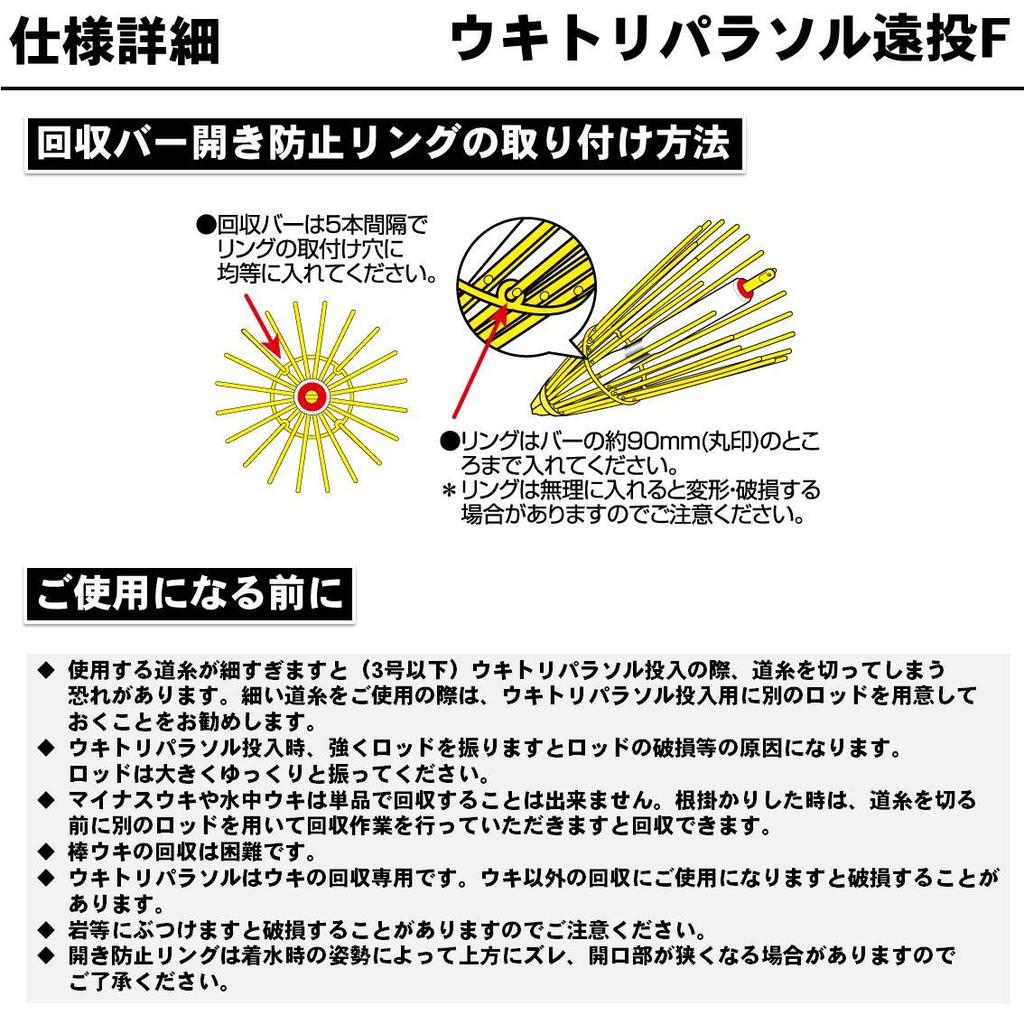
Installation method for the recovery bar opening prevention ring: Insert the recovery bars evenly into the ring mounting holes at intervals of 5 bars. Insert them until they are approximately 90mm from the ring bar. *Please note that forcing the ring in may cause deformation or damage.
"Before use"
If you use a fishing line that is too thin (size 3 or less), there is a risk of cutting the line when deploying the float rig. When using a thin fishing line, we recommend having a separate rod ready for deploying the float rig.
When deploying the float trap umbrella, shaking the rod too hard may cause damage to the rod. Please shake the rod slowly and gently.
Negative floats and underwater floats cannot be retrieved individually. If they get snagged, you can retrieve them by using another rod to retrieve them before cutting the main line.
Retrieving the float is difficult.
It may be damaged if it hits rocks or other objects.
Please note that the anti-opening ring may shift upwards depending on the position of the lure upon landing, which may narrow the opening.




 Teslim edilmediğinde para iadesi