----------------------------------------------------------------------
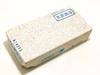
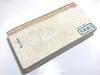
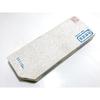
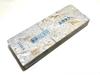
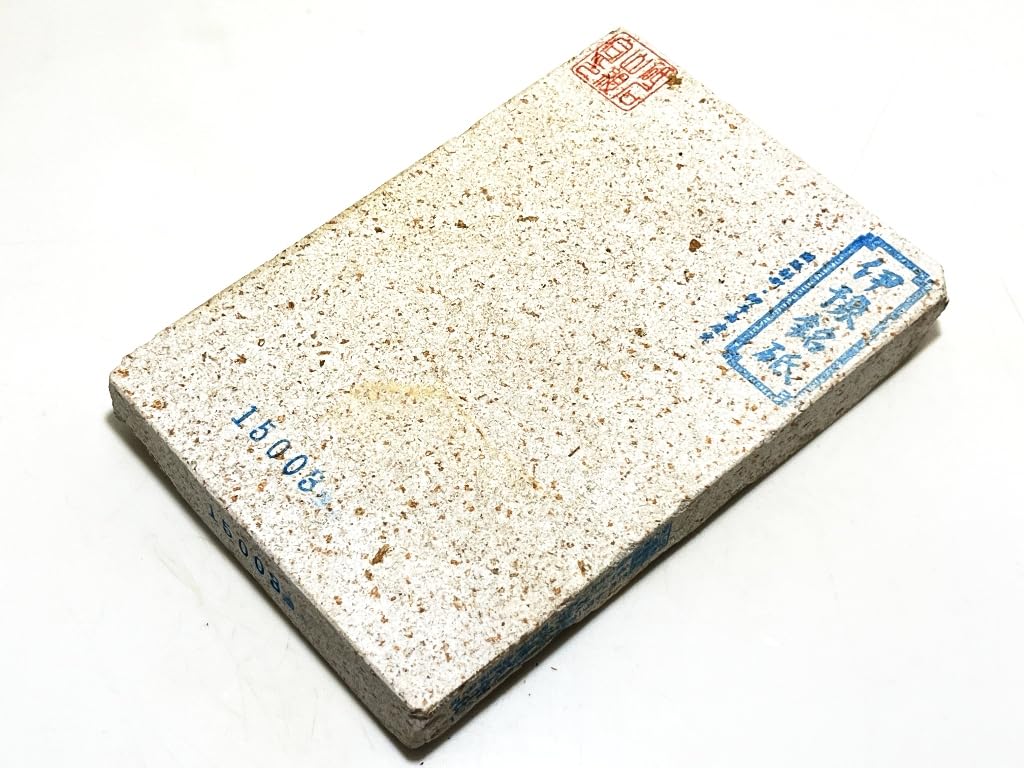
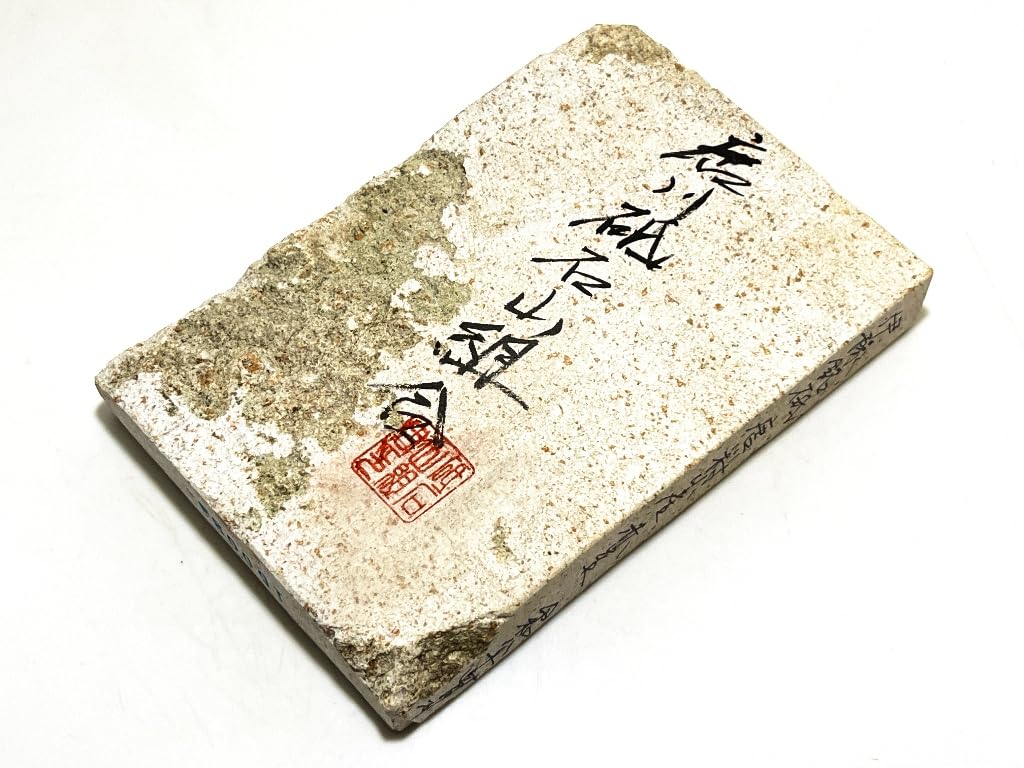
99 x 145 x 20 mm, 668g. Produced in high-altitude areas such as the former Hirota Village in Tobe Town. Unlike igneous rocks that have problems due to their acidity, this rock is neutral, rust-resistant, and easy to use. Hard, tough, and suitable for fine-grained medium-sized grinding stones.
In addition to the operating funds related to mining, a portion of the sales of Karakawa Whetstone Mine Association seal products will be returned to the association. By using it daily, you will directly convey your support to Karakawa, which boasts genuine Iyo-meito whetstones. Unlike the acidic whetstones common outside the former Tobe town, it is neutral and resistant to rust despite the maintenance. These are hand-mined and hand-split, carefully forged on the whetstone by reading the grain of the stone. High-speed steel and other materials are also , making it an ideal solution for switching the shape of the streak cross-section. Therefore, you can get by without slate whetstones, but the lack of a streak switching mechanism will cause problems. For this reason, you should start by acquiring neutral Iyo whetstones that are resistant to rust. Since around 2007, the "Iyo Meito" designation has only been for sazare whetstones. We cannot answer inquiries about "Iyo Meito" products that have been processed and manufactured by other companies.
Rough-metamorphosed rhyolite and andesite from Iyo City, Ehime Prefecture, Japan. #1,000-5,000 grit. Harder stones tend to produce finer grinds. Excellent hardness-to-toughness ratio. Neutral pH and rust-resistant, unlike other Iyo whetstones. Grinding performance can be easily restored by using a diamond stone of #400 or lower. Recommended over a standard nagura stone. Due to its rounded bottom and continuous grooves, it maintains its sharpness for about 70% of its lifespan, and with artificial whetstone grit ratios, it is less likely to produce a dull, mirror-like finish, making it easier to bring out contrasts derived from weld lines, material properties, and carbon content differences.
The darker the rock, the harder and finer the stone tends to be. Since hardness reduces the sharpness, sharpening should be done by applying a nagura (a type of stone for sharpening) as needed, depending on the purpose and skill level.
Natural whetstones from Iyo Province are believed to have been circulating in the Seto Inland Sea region since the Kofun period, and are renowned as the world's oldest and largest igneous rock-based whetstone industry, with a history spanning over 1,500 years.
Our country's resources for master whetstones possessed such immense power that they could completely transform the nation and its people.
The scarcity of iron ore, the resulting low yield of their unique iron sand metallurgy, and their location on a remote island in the Far East meant they were the last to develop an iron age, creating conditions as fatal as losing all four limbs when it came to establishing an iron age civilization.
Considering our history and tradition, it is clear that our country's finest whetstones are consumables that allow us to process iron products to be harder and tougher, as desired.
Until the 19th century, the performance of natural whetstones dominated the development of iron tools.
Despite its unsuitable location for construction, it boasts one of the world's oldest and largest wooden structures.
The Japanese sword, a testament to unparalleled skill in ironworking, was the object of a samurai's unwavering dedication to its every swing, a legacy that lasted for 700 years.
Despite being a latecomer in a remote region, it achieved world-leading inventions in iron products by the Middle Ages and is known today as a manufacturing nation.
The Age of Iron, which lasted from prehistoric times until the middle of the Heisei era, was a time when the power to wield iron was the very medium that nurtured not only manufacturing but also the maturation of culture and nations.
These irreplaceable, invaluable, and uniquely authentic whetstone resources have overcome numerous adversities, including those faced by iron.
If we were to judge Japan's various resources using the values of the pre-modern era, when oil and nuclear power were considered worthless, then we could say that Japan is a resource-rich nation.
The strength gained only through the process of overcoming scarcity and hardship is what gives depth, soul, and spirit to history and tradition.



 Teslim edilmediğinde para iadesi