There is a small delight in lifting a ceramic ocarina to your lips and finding music there. Cool in the hand and cheerful on a shelf, this ladybird-shaped wind instrument turns a simple breath into soft, flute-like sound. It is easy for beginners to explore, with enough charm to sit out as a decorative musical piece between quiet moments of play.
The gentle sound in your hands
It plays with the breath, giving a soft, flute-like tone rather than a loud or brassy sound.
The small ceramic body feels tactile and steady, made for slow experimenting rather than performance pressure.
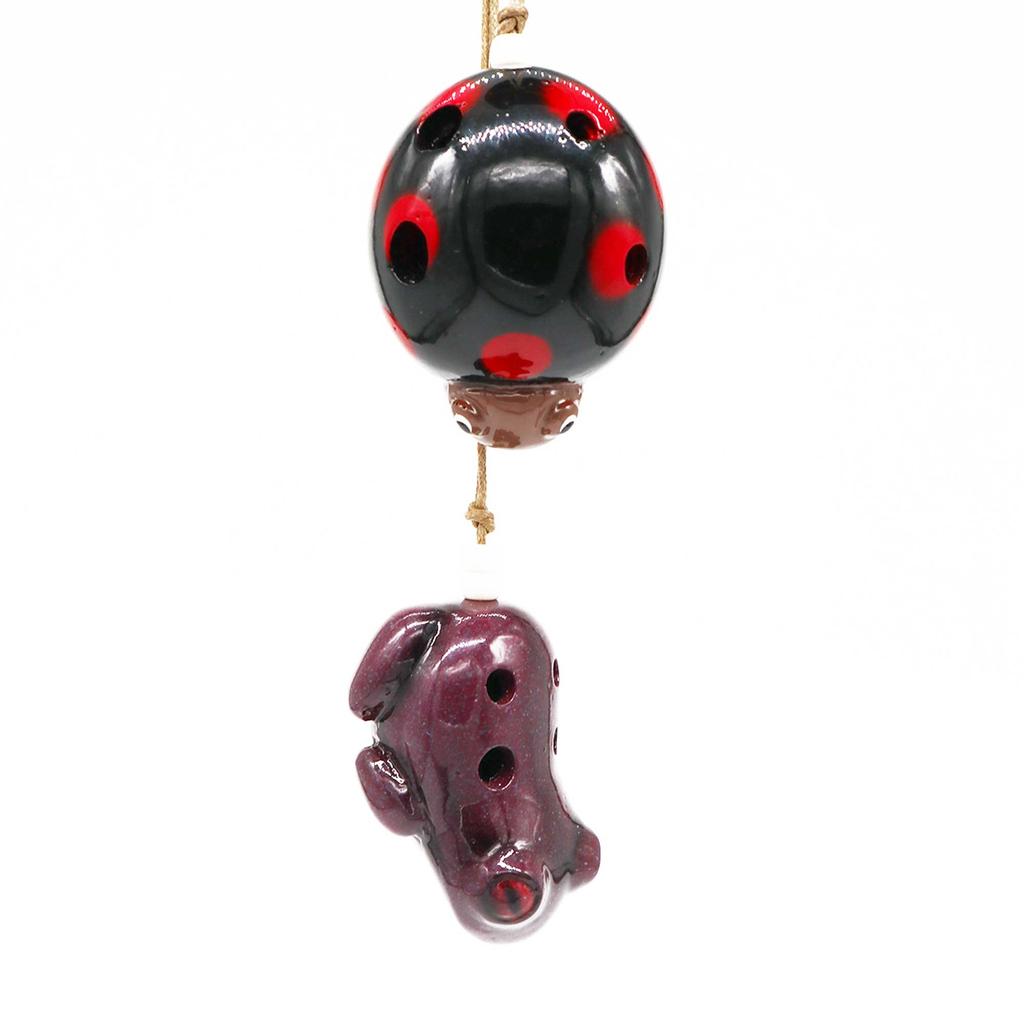
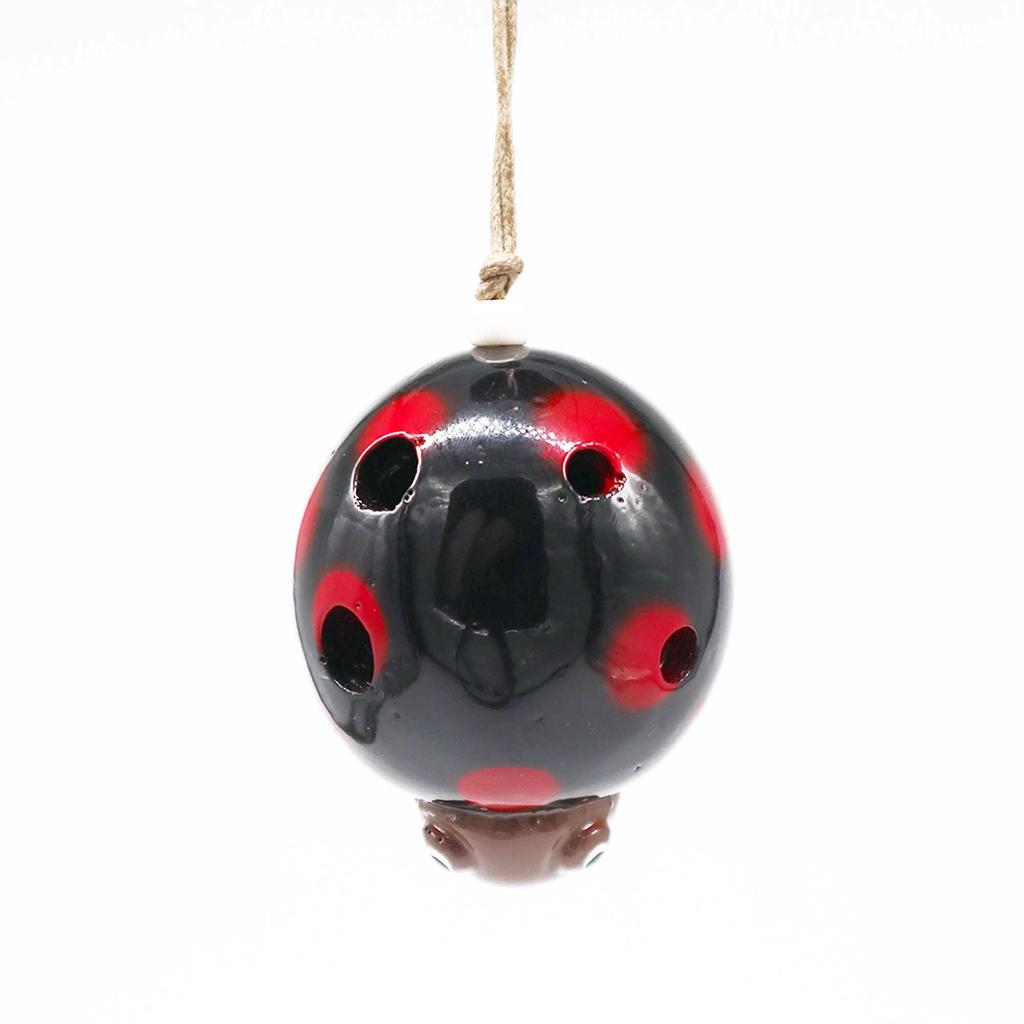
Beginners can explore it intuitively, finding simple notes and little phrases by covering and uncovering the finger holes.
It suits both children and adults, especially anyone drawn to folk instruments, playful objects, and music made without screens.
When not being played, it rests easily as a characterful piece of shelf or desk décor.
A ladybird form with bright character
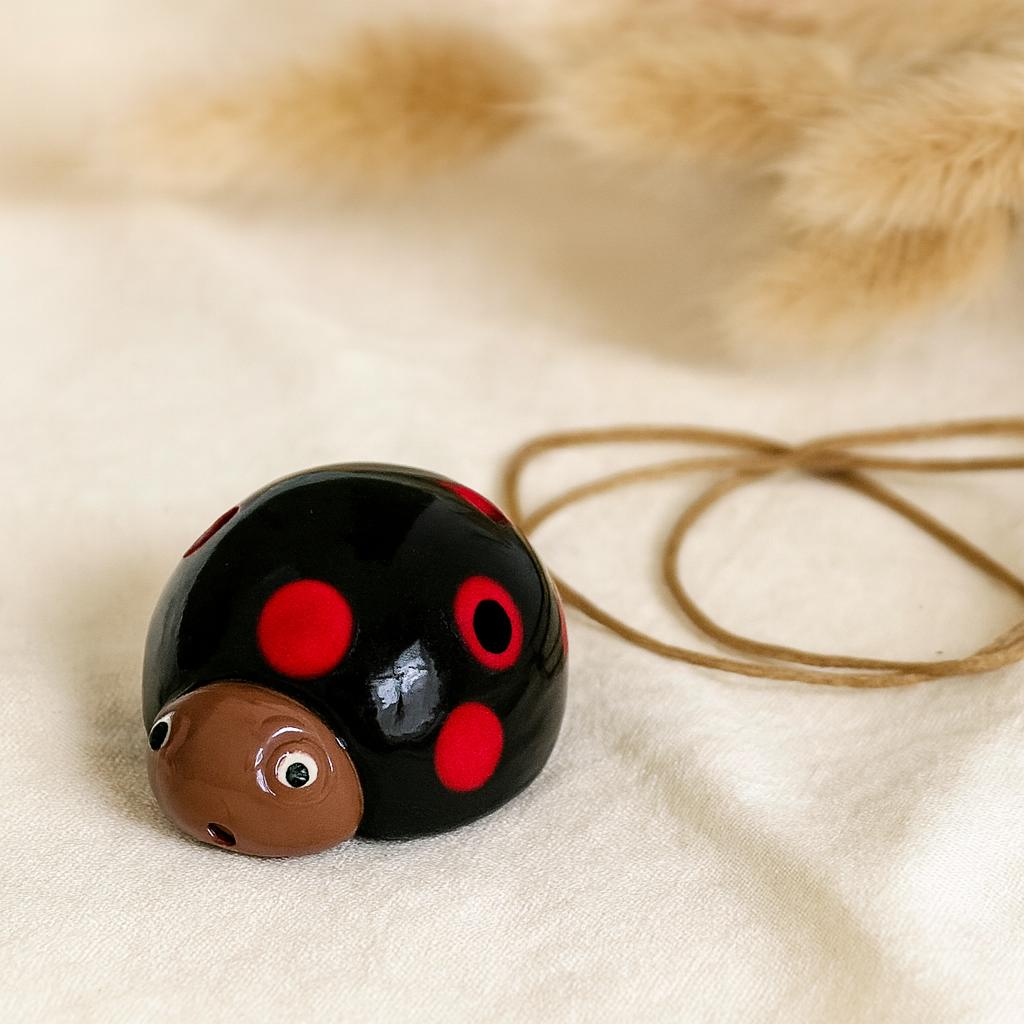
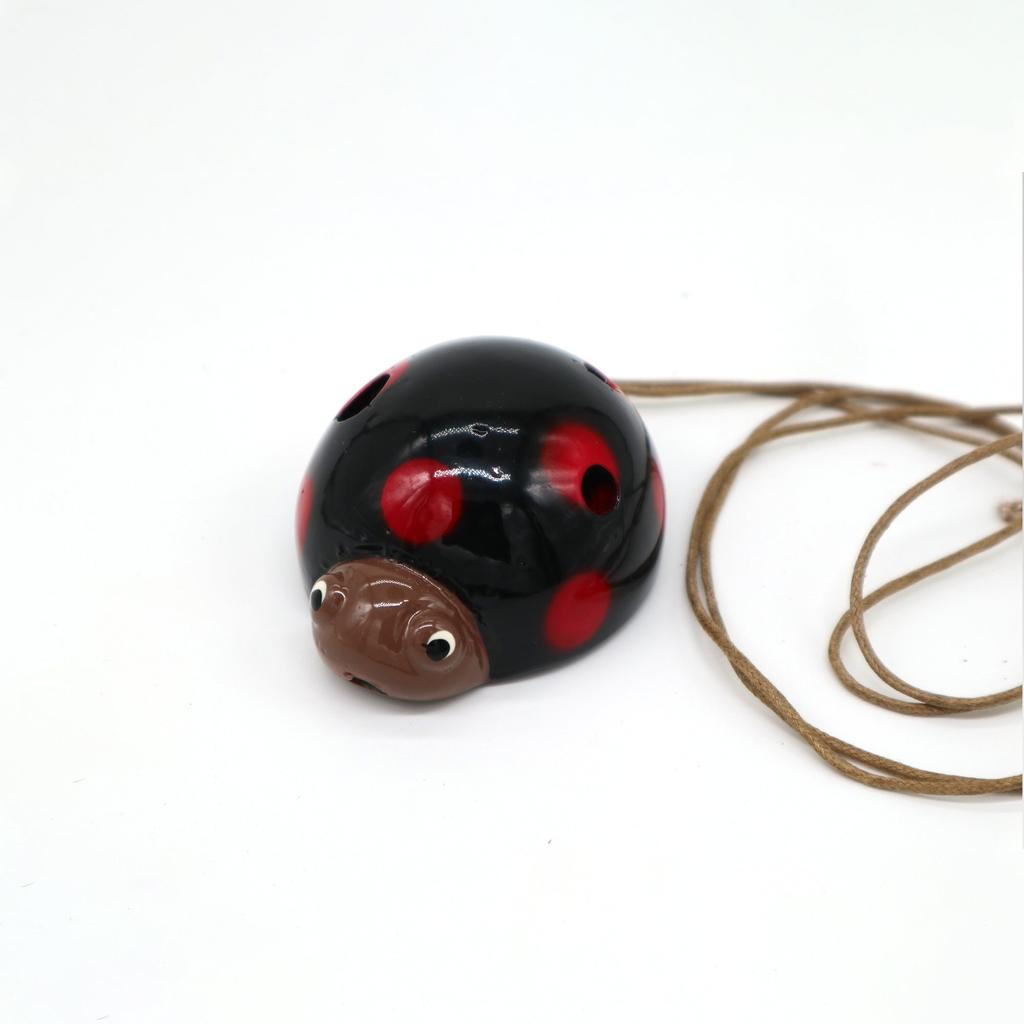
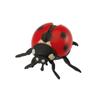
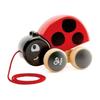
The shape gives the ocarina its immediate warmth: a rounded ladybird body, bright red colouring, dark spots, and a playful face. It has the feeling of a little ceramic creature found in a pocket or beside a plant pot, quietly waiting for someone to pick it up and make a sound.
Ceramic, colour and finish
Made from ceramic, it has the cool touch and smooth surface that make small clay instruments so satisfying to hold. The painted ladybird design brings a light, cheerful note to the form without turning it into a novelty only for display.
Playing and care
Hold the ocarina gently, place the mouthpiece to your lips, and blow softly while changing the finger holes to explore the notes. Start with an easy breath rather than forcing the sound.
Keep it dry between uses and wipe the surface with a soft cloth. As ceramic can chip or break if dropped, store it somewhere stable when it is not being played.
A small instrument with folk roots
Ocarinas belong to a broad family of vessel flutes, simple hollow wind …
region of manufacture: Indonesia


 Teslim edilmediğinde para iadesi

![[G6509] - Kırmızı 'Uğur Böceği' Gümüş Kolye](https://img.joomcdn.net/fd38eac0049706a93a787dfdc0f99f4c38883380_100_100.jpeg)
![[H9163] - Kırmızı 'Uğur Böceği' Gümüş Kolye](https://img.joomcdn.net/94c36034d3ebec4d66bb2c139d91f27dd9a7bf22_100_100.jpeg)
![[Q1489] - Altın kırmızı 'Uğur Böceği' el yapımı kolye - 7x6 mm](https://img.joomcdn.net/b8dd476398bdadb5f642a1364feb051dd8e6b84d_100_100.jpeg)

![[M9376] - Kırmızı 'Uğur Böceği' gümüş bileklik](https://img.joomcdn.net/0c4587a465b8ac4473ed232a1b8cca087f7cac5a_100_100.jpeg)




![[K3135] - BO Argent 'Uğur Böceği' Kırmızı Siyah](https://img.joomcdn.net/ad49a2d03229aff2bde1461915c65150f99df614_100_100.jpeg)


![[J7151] - Kırmızı 'Uğur Böcekleri' Tasarım Küpe](https://img.joomcdn.net/6056f96f4aa85fb84cb78c9bbc0c4785807735f2_100_100.jpeg)