[JOOM Certified Store]
A Japan-based retailer offering high-quality authentic products.
*** Important Notices (Please Read) ***
We carry a wide variety of products, but please note that many are based on Japanese domestic standards.
- [Home Appliances]: Voltage 100V / Type A plug. (A voltage converter or plug adapter may be required).
- [Games & Media]: May be subject to region locking. Manuals and user interfaces are primarily in Japanese.
* Please check for compatibility with your equipment before purchasing.
* See the bottom of the page for detailed product specifications.
[Shop Information]
- Please "Follow" our store and leave a 5-star review!
―・―・―・―・―・―・―・―・―・―・―・―・―
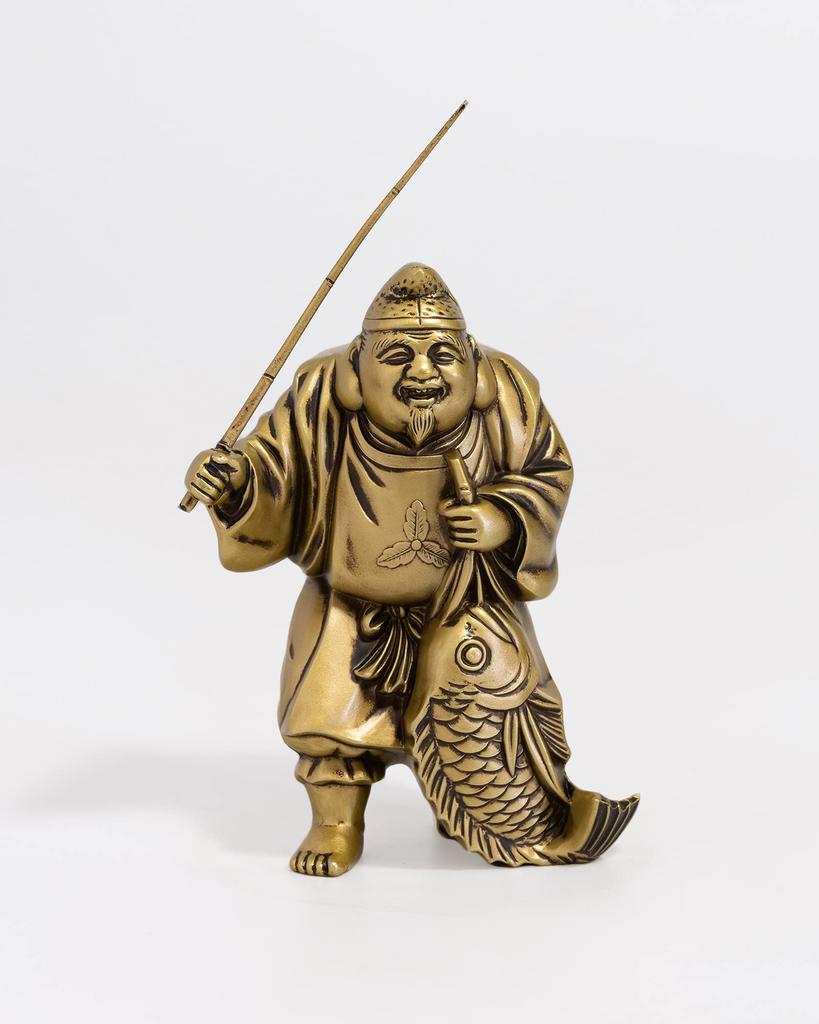
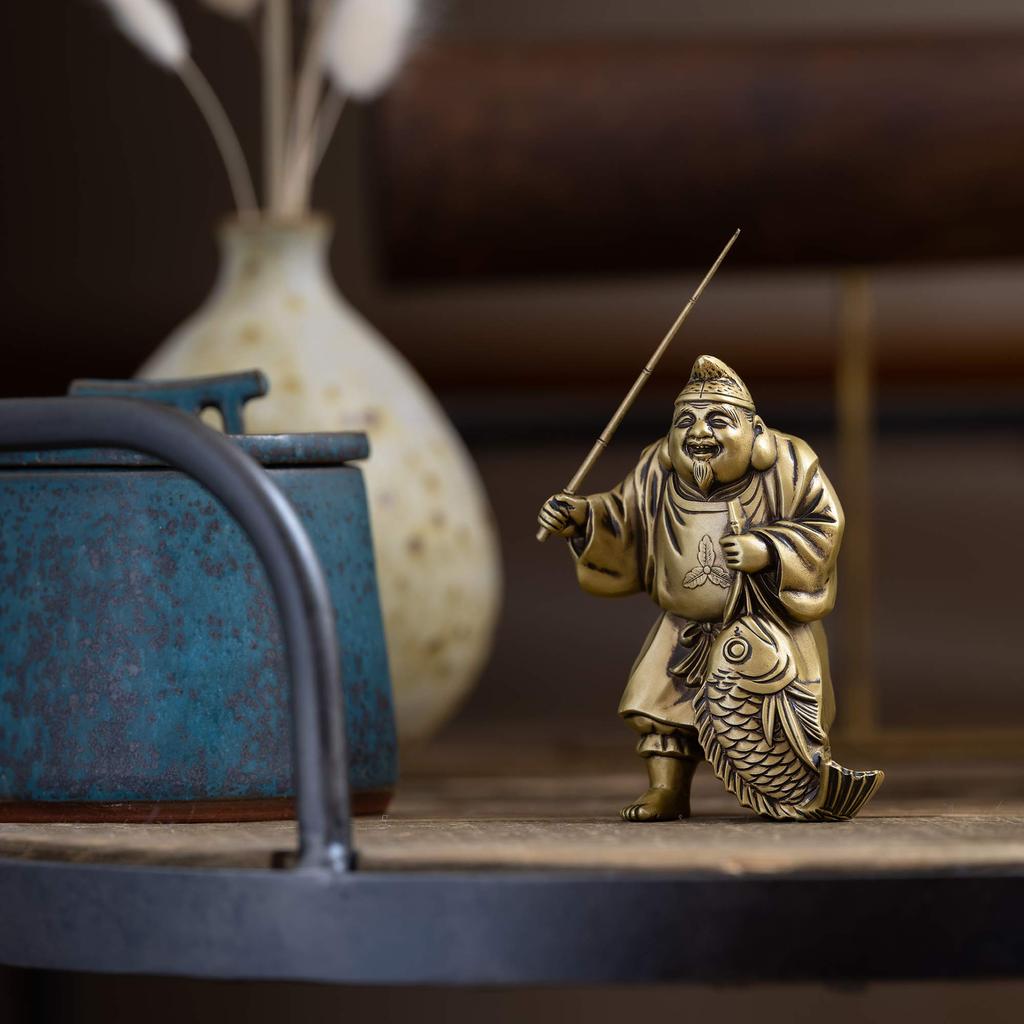
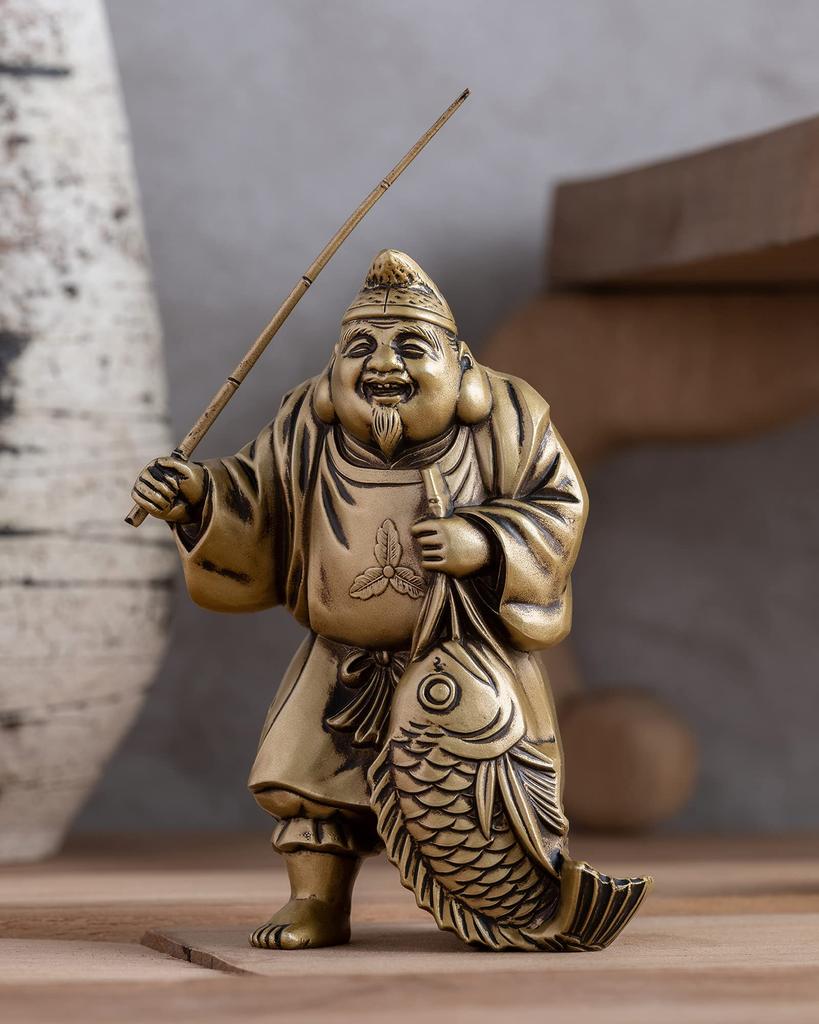
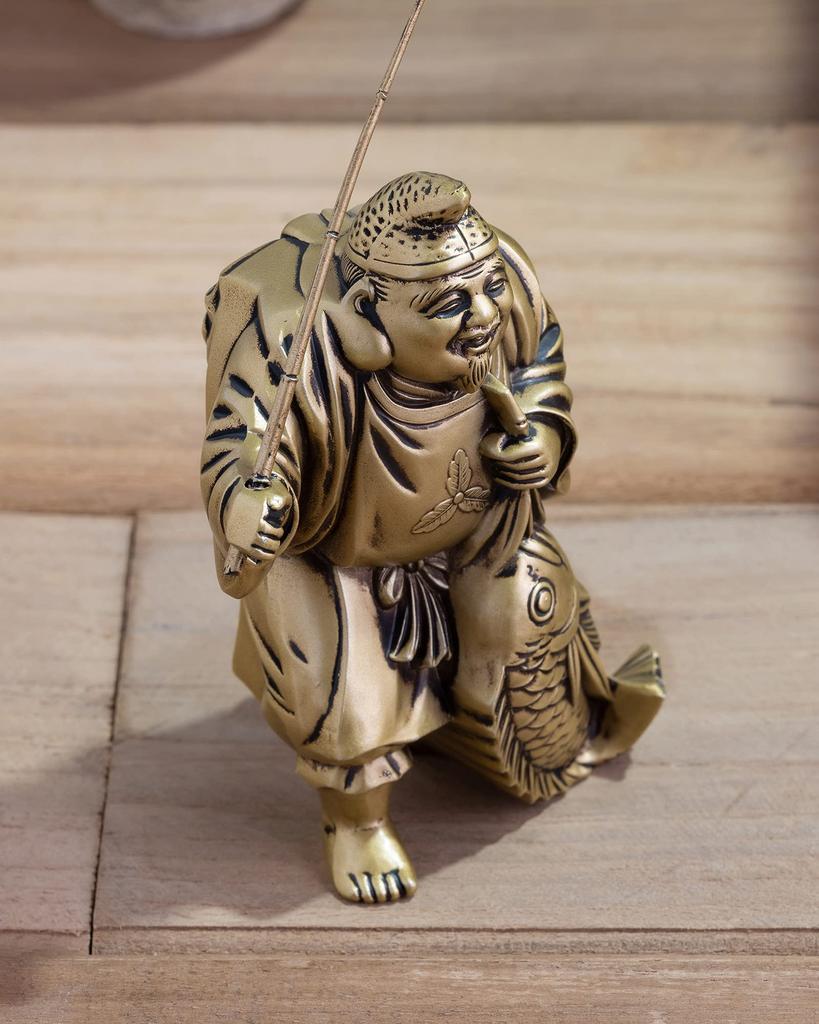
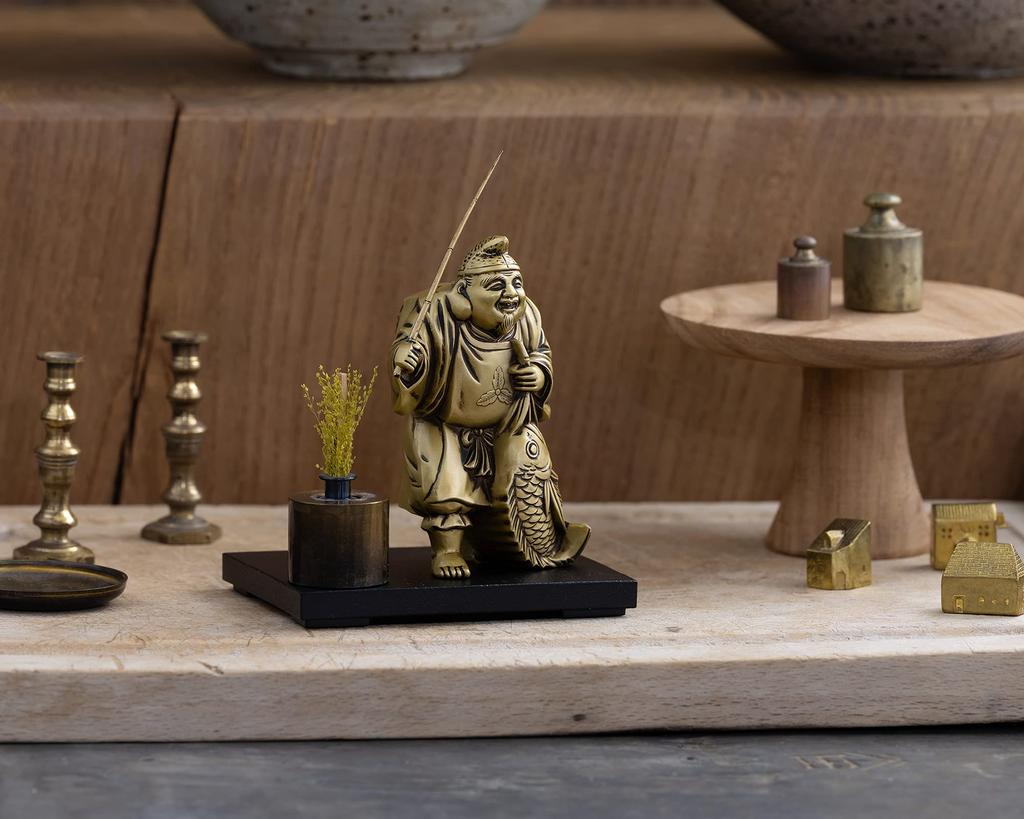
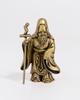
Series: Seven Lucky Gods (Silky Gold) A refined and calming gold finish like silk. Its deep luster blends well with modern interiors.
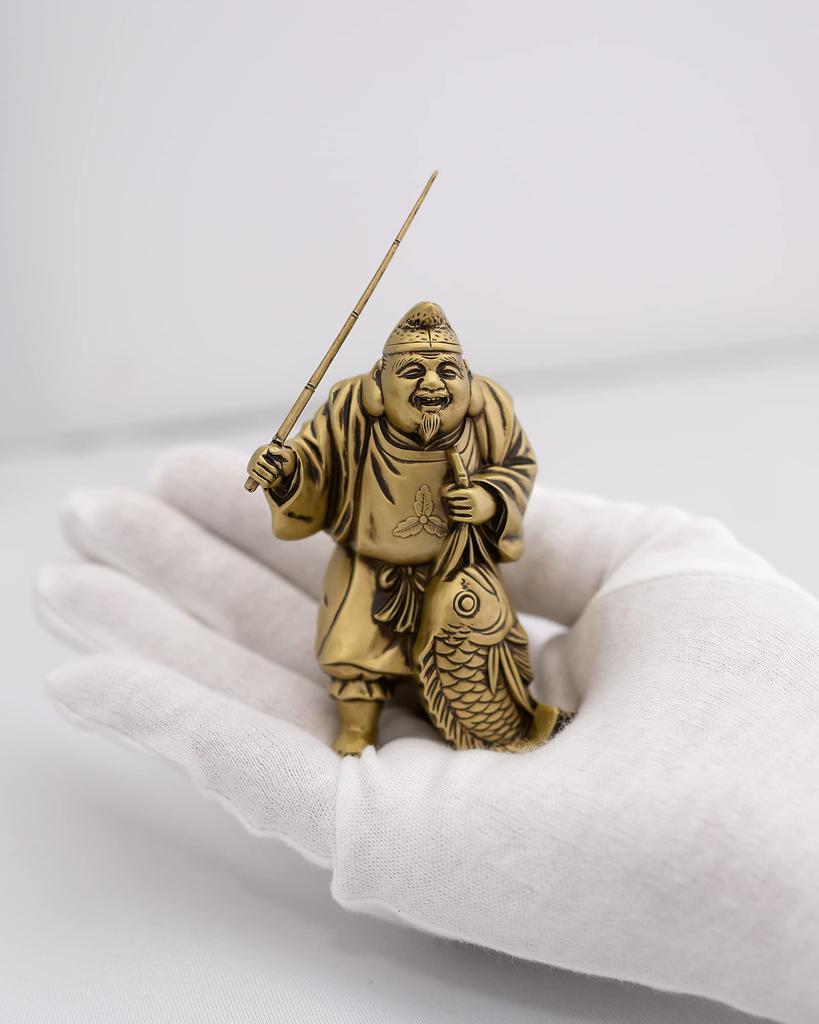
Body size: Height 11 x Width 6.0 x Depth 4.0 cm (measured to the tip of the rod) Weight: Approximately 380 g
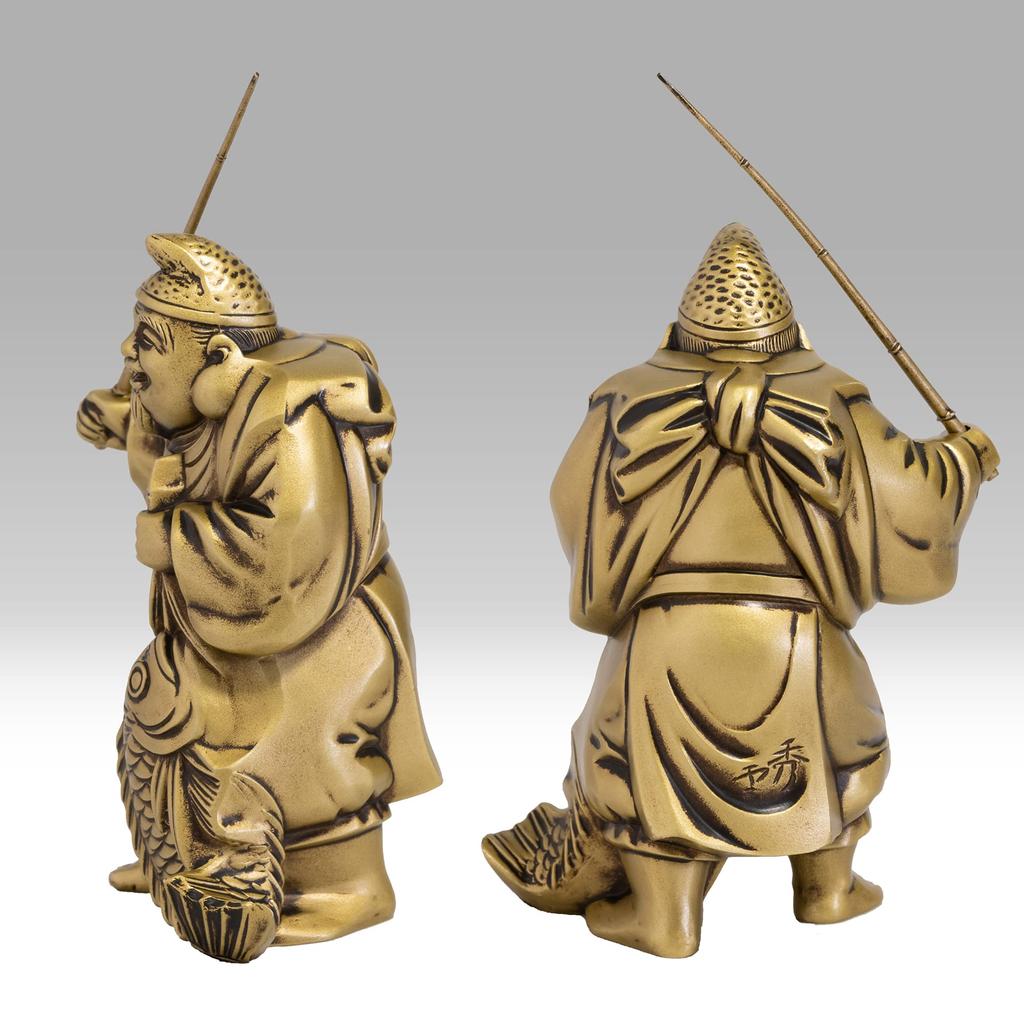
Material: Zinc alloy (modeled by Buddhist sculptor Shuun Makita) with a silky gold finish. [Takaoka Copperware / Made in Japan]
◆Product contents: Main body + rod, gift box included
[Prosperous business, bountiful catches, and abundant harvests] This is the only Japanese god among the Seven Lucky Gods. The worship of Hiruko-no-Mikoto, the third child born to Izanagi and Izanami, is said to have begun with the deity. He has a friendly appearance, holding a fishing rod and a magnificent sea bream.
[Prosperous business, bountiful catches, and abundant harvests] Ebisu is one of the Seven Lucky Gods, beloved as the god of good fortune. He is said to be the only Japanese deity, and worship is said to have begun with the dedication of Hiruko-no-Mikoto, the third child born to Izanagi and Izanami. He has a friendly appearance, holding a fishing rod and a magnificent sea bream. While not widely known, the Seven Lucky Gods are actually made up of deities from India, China, and Japan. Belief in the Seven Lucky Gods began in the late Muromachi period, and is said to have become widely established among the common people by the mid-Edo period. Customs such as pilgrimages to the Seven Lucky Gods and treasure ships were subsequently born, and today Ebisu is beloved as a charming and auspicious deity.




 Teslim edilmediğinde para iadesi




![Budist Sunak Mağazası Takita Shoten Budist Heykeli: Yedi Şans Tanrısı'ndan biri olan Ebisu, İyi Şans Getirir (8.3cm yüksek x 6cm geniş) [Makita tarafından üretilmiştir]](https://img.joomcdn.net/800029c23f4ccdedfa86aba052ebabcac9b0b200_100_100.jpeg)


