Ayzeze: Ürün alerjik reaksiyona neden olabilir. Kullanımdan önce, paketteki talimatlar ve bilgiler okunmalıdır. Daha fazla bilgi için doğrudan satıcıya veya üreticiye başvurabilirsin.
-----
Ayzeze: Bu cihaz, profesyonel bir medikal tavsiye, teşhis veya tedavinin alternatifi değildir. Şüphe durumunda, kullanmadan önce lütfen yetkili bir medikal uzmana danışın. Satıcı/dağıtıcı, yanlış kullanım, izinsiz modifikasyon veya belirtilen kullanım alanlarının dışında kullanımdan kaynaklanan hiçbir zarardan sorumlu değildir.
-----
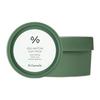
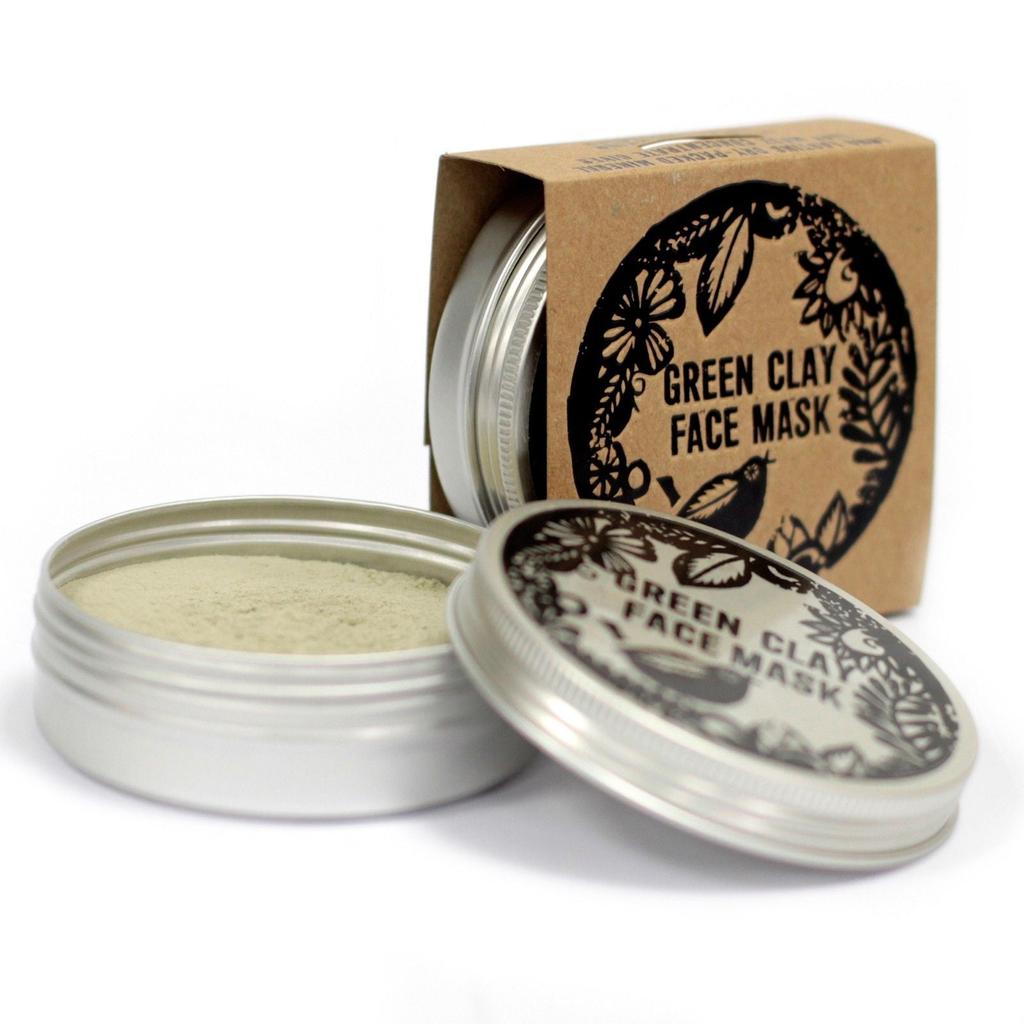
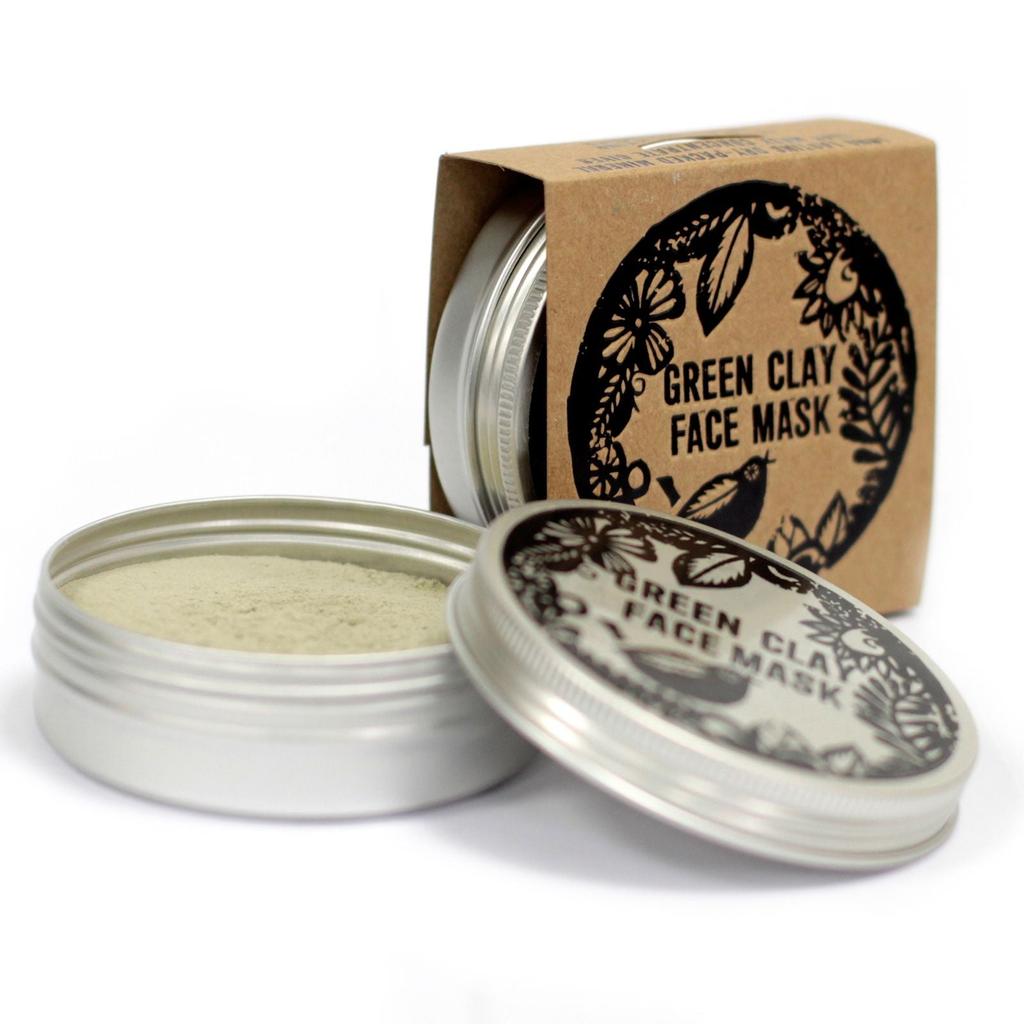
A green clay face mask turns skincare into a small, earthy pause: dry mineral powder, mixed into a cool paste, then smoothed over the skin with unhurried care. This one has a soft sage-green tone in the tin and a fresh, grounded feel on application, made for moments when your face wants a deeper-feeling cleanse.
The feel of green clay
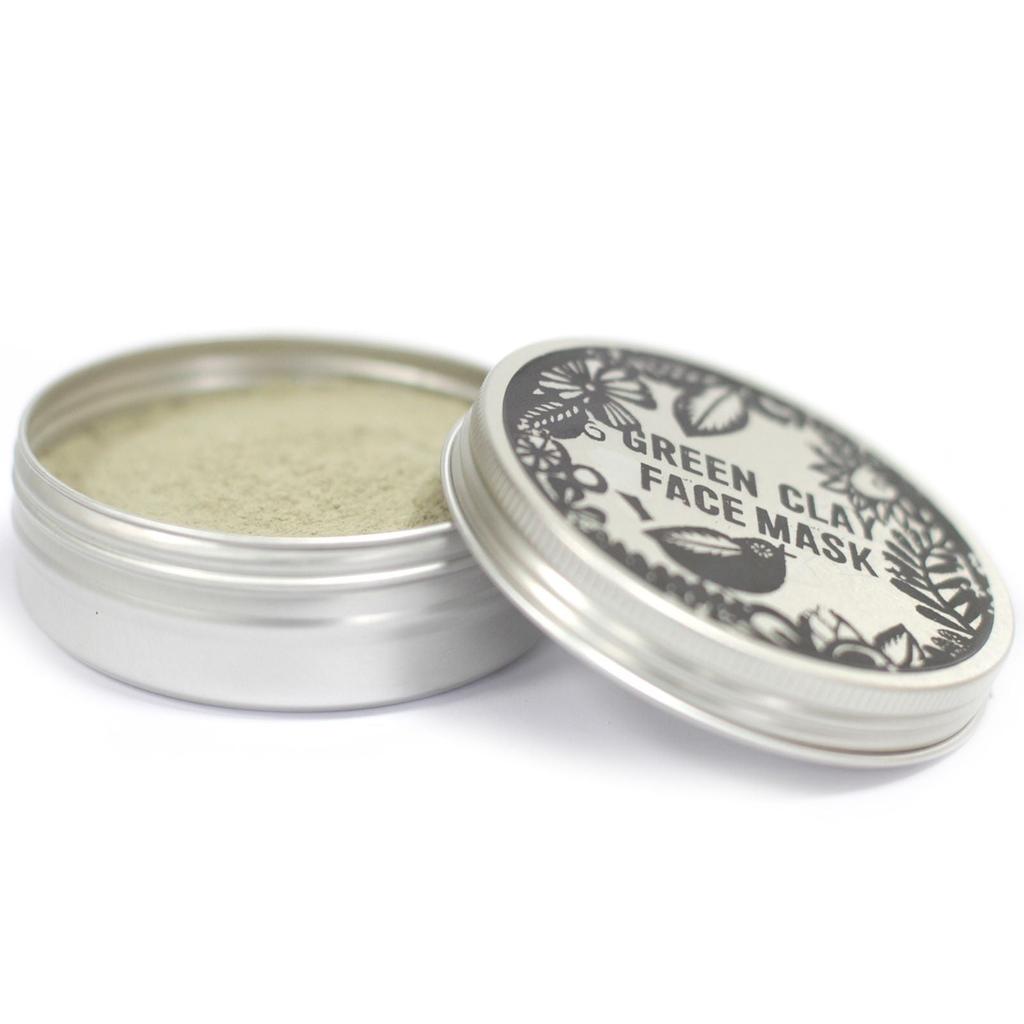
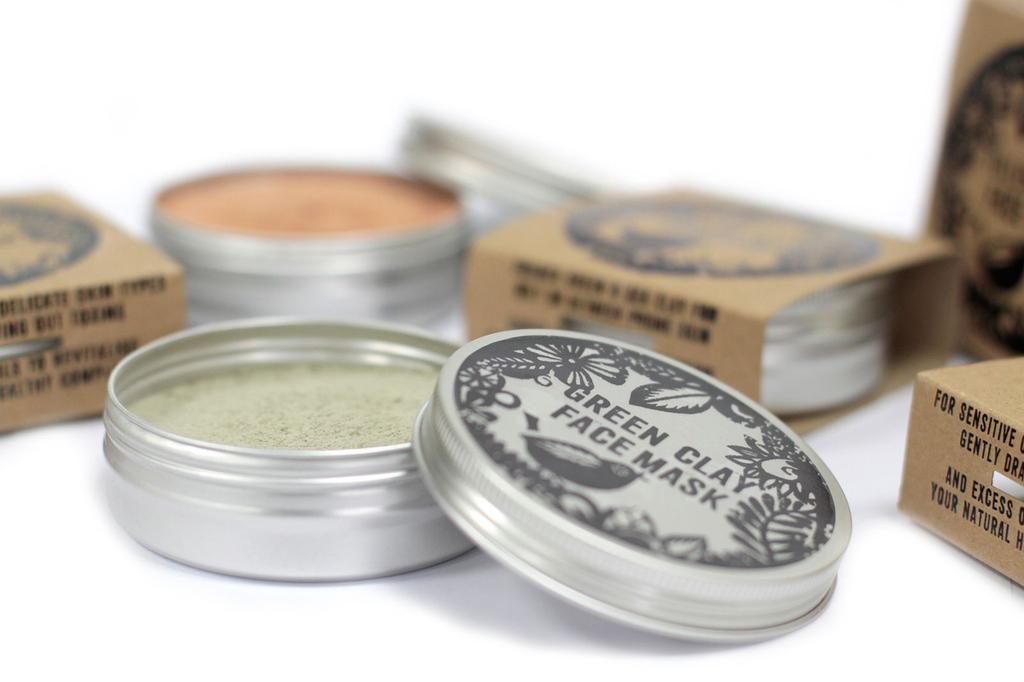
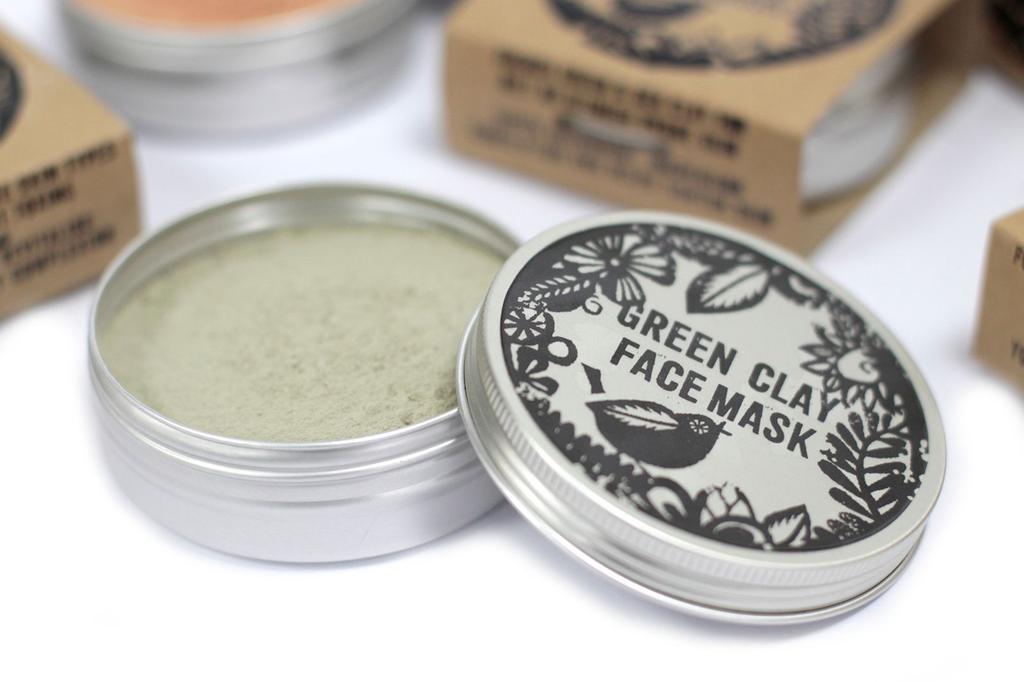
The dry clay looks fine and softly matte, with a muted green shade that feels quiet and natural.
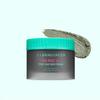
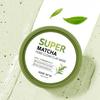
Once mixed, it becomes a smooth paste that sits cool on the skin.
The earthy character makes the ritual feel simple and pared back, more bathroom apothecary than busy skincare step.
As it rests, the mask gives that familiar clay-mask tightening sensation, inviting you to slow down for a few minutes.
After rinsing, skin is left looking clearer and more balanced.
A simple clay ritual
Mix the clay into a smooth paste, apply an even layer to clean skin, and avoid the eye area. Let it sit until it begins to dry, then rinse away gently with warm water and follow with your usual moisturiser.
Keep the tin closed between uses and store it somewhere dry, away from bathroom splashes.
Powder, paste and quiet care
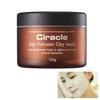
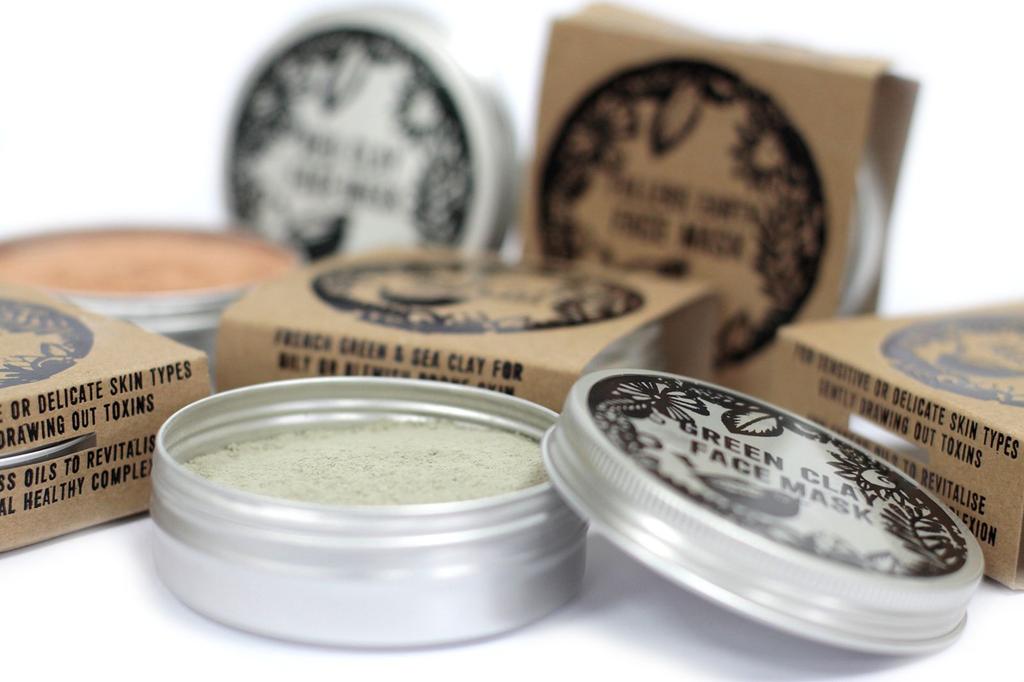
This green clay face mask begins as a dry mineral powder in a screw-top metal tin, with a natural-looking cardboard outer sleeve shown in the photo. The ritual is deliberately hands-on: a little mixing, a little smoothing, and a pause before rinsing. That manual step is part of its charm, turning a weekly mask into something more considered.
Clay in skincare tradition
Mineral clays have long been used in bathing and beauty rituals, from European spa treatments to hammam-inspired body care. Their appeal is partly practical and partly sensory: the cool touch, the earthen colour, the way a simple powder becomes a mask with a few careful stirs. Green clay is often chosen in clay skincare for a fresher, deeper-cleansing feel, without needing fragrance or fuss to make the ritual satisfying.
Size and details
Contains 130 g of…
cosmeticseffect: With Essential Oils
region of manufacture: France


 Teslim edilmediğinde para iadesi