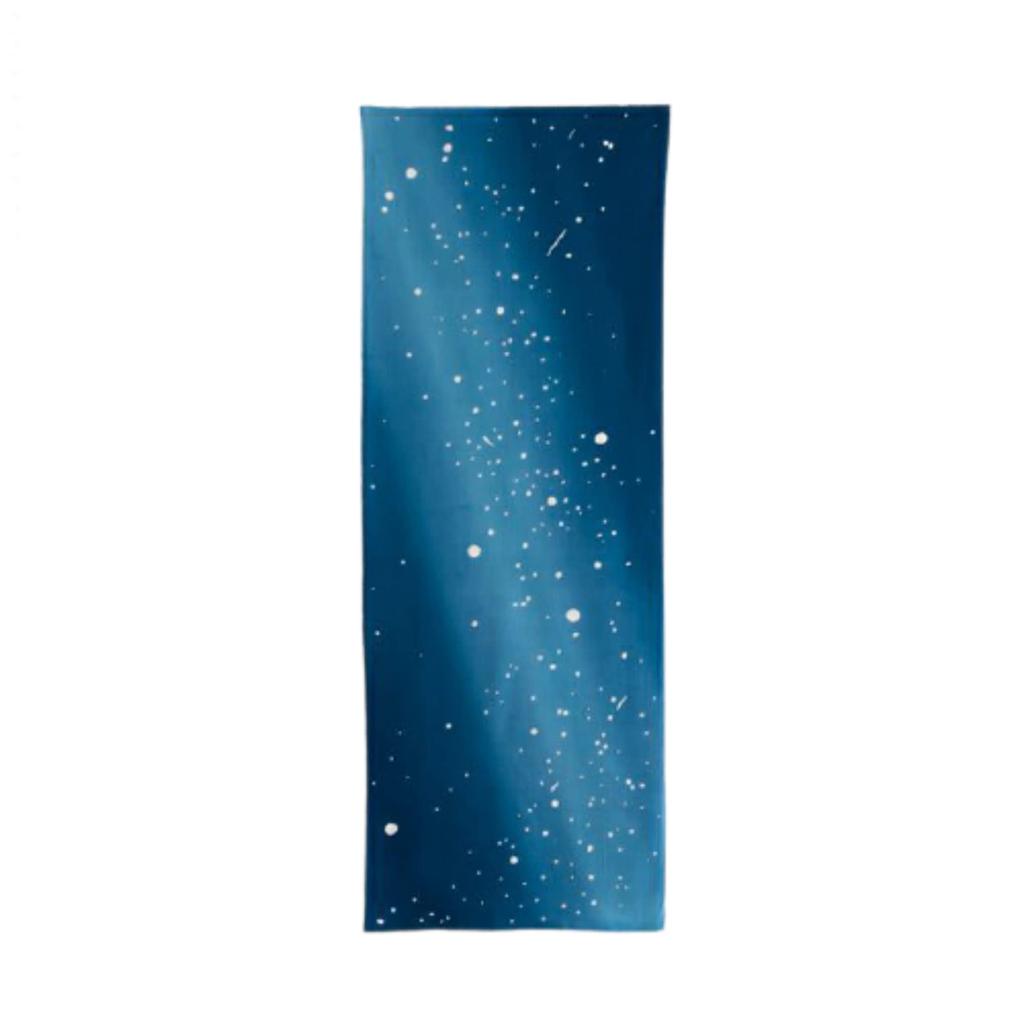
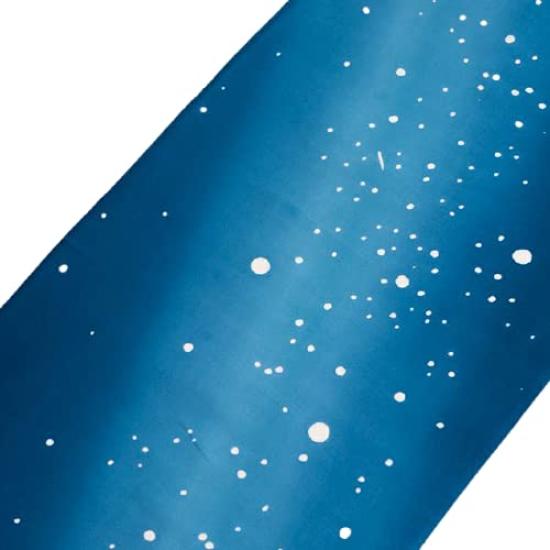
Kamawanu Tenugui hand Milky Way gradient Made in 33cm x Summer pattern Milky Way gradient Chusen-dyed (Japanese towel) - design, pattern, Japan, Size


 Teslim edilmediğinde para iadesiKalite güvencesiGüvenli lojistikGizlilik koruması
Açıklama
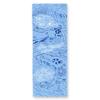
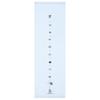
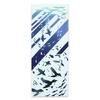
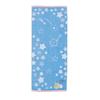
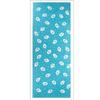
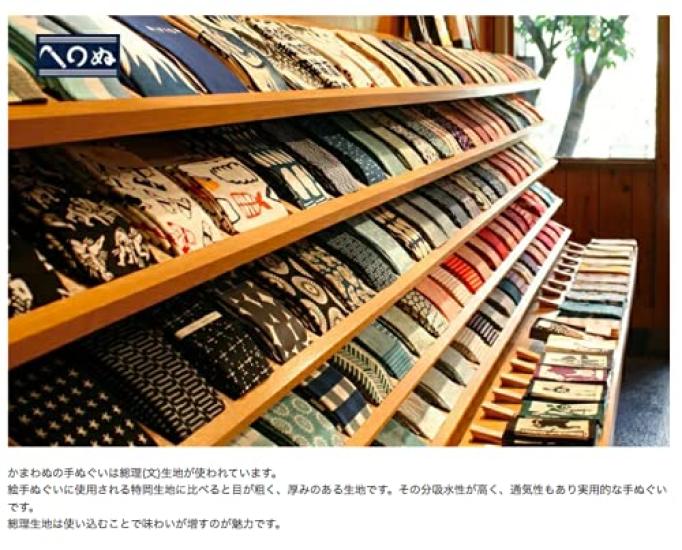
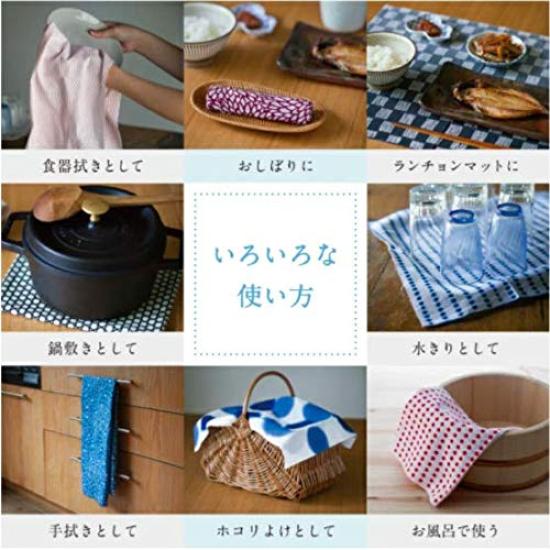
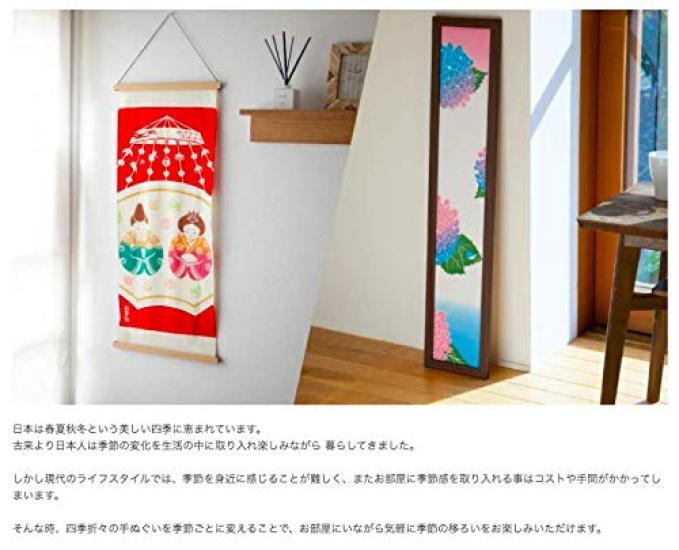
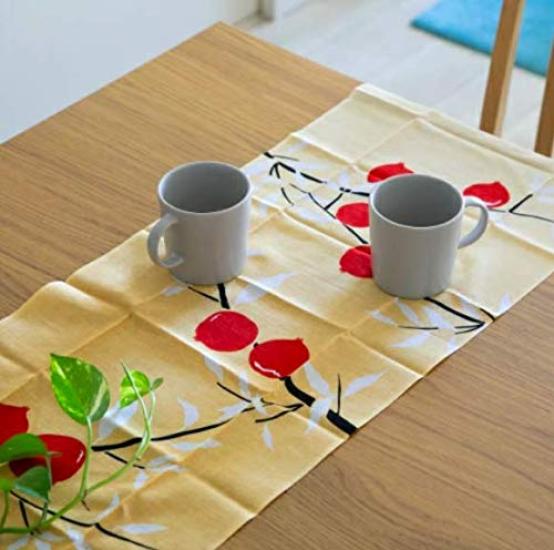
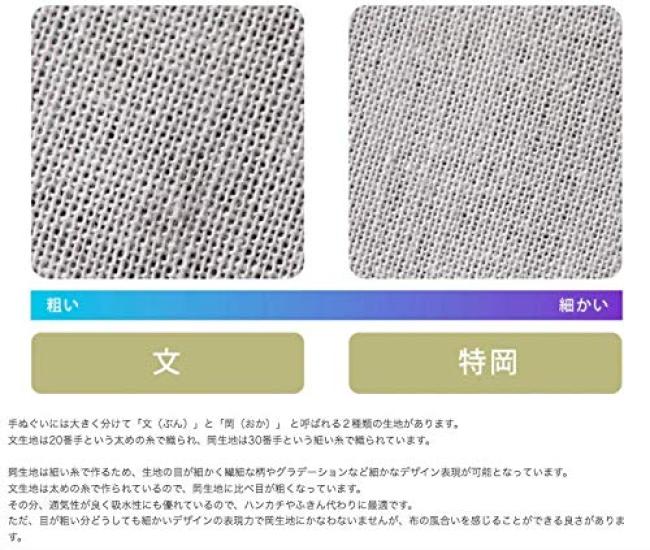
Country of origin: Made in Japan / Material: 100% cotton / Pure fabric / *Due to hand-dyeing, color fading may occur. *Color transfer may occur when wet. *Do not leave wet. *When washing, please hand wash separately from other items. Size: Approximately 33cm x 90cm / *Please note that the color of the product may vary slightly depending on your PC environment. This is a summer-patterned tenugui (Japanese hand towel) from Kamawanu. It's a refreshing summer-patterned tenugui that will add a cool touch to the hot and humid Japanese summer. There are many occasions where a tenugui comes in handy, such as fireworks displays and festivals. Kamawanu's tenugui (hand towels) are made with Sōri (textile) fabric. Compared to the Tokuoka fabric used for illustrated tenugui, it has a coarser weave and is thicker. As a result, it has high absorbency and breathability, making it a practical tenugui. The appeal of Sōri fabric is that it gains character with use. There are two main types of tenugui fabrics: "Bun" and "Oka." Bun fabric is woven with thicker 20-count yarn, while Oka fabric is woven with thinner 30-count yarn. Because Oka fabric is made with thinner yarn, it has a finer weave, allowing for intricate patterns, gradients, and other detailed designs. Bun fabric, being made with thicker yarn, has a coarser weave compared to Oka fabric. However, it is more breathable and absorbent, making it ideal for use as a handkerchief or dishcloth. While its coarser weave means it can't express finer details as well as Oka fabric, it has the advantage of allowing you to appreciate the texture of the fabric. Tenugui cloths were originally used primarily for wiping away sweat and water, or for washing the body during bathing. To allow them to dry easily after use and to prevent dirt from accumulating at the edges, making them more hygienic, the edges are left raw and not folded and sewn. Additionally, the edges are left raw so that they can be torn and used as bandages or sandal straps for emergency purposes. Japan is blessed with four beautiful seasons: spring, summer, autumn, and winter. Since ancient times, the Japanese have incorporated the changing seasons into their lives and enjoyed them. However, in modern lifestyles, it is difficult to feel the seasons close at hand, and incorporating a sense of the seasons into one's home can be costly and time-consuming. In such cases, changing your tenugui (Japanese hand towel) according to the season allows you to easily enjoy the changing seasons without leaving your room. You can use tenugui (Japanese hand towels) as hand towels or placemats, or as a dust cover or drainer when washing dishes. In addition to their original use for drying hands or as beautiful decorative items, why not incorporate tenugui into your daily life as everyday tools? Don't throw them away when they get old; if they fray, sew them back together, and finally use them as cleaning rags. You can use them to the very last bit. [Motif] A band of stars and light spreading like clouds across the summer night sky. Constellations, the Summer Triangle (Vega, Deneb, Altair), and meteors are depicted. Vega and Altair are also the "Orihime" and "Hikoboshi" of the Tanabata festival, making this tenugui (hand towel) perfect for Tanabata. [Main uses] Towels, hand towels, kitchen towels, kitchen cloths, kitchen napkins, table runners, shelf runners / Interior art, framed art, tapestries / Kimono collars, obiage (sash ties), ribbons, scarves / Can be used as repurposed scraps to make various items such as scrunchies, bags, obi sashes, masks, etc. This is a tenugui (Japanese hand towel) from Kamawanu featuring auspicious patterns (lucky and summer motifs). Kamawanu tenugui are made using Souri (Bun) fabric. Compared to Tokuoka fabric, which is used for illustrated tenugui, it has a coarser weave and is thicker. However, it has high absorbency and breathability, making it a practical tenugui. The charm of Souri fabric is that it gains character with use. There are two main types of tenugui fabrics: "Bun" and "Oka". Bun fabric is woven with thicker 20-count yarn, while Oka fabric is woven with thinner 30-count yarn. Because Oka fabric is made with thinner yarn, the weave is finer, allowing for delicate patterns and gradients, as well as intricate designs. Bun fabric is made with thicker yarn, so it has a coarser weave compared to Oka fabric. However, it has good breathability and absorbency, making it ideal as a handkerchief or dishcloth. However, because the weave is coarser, it inevitably can't express fine details as well as Oka fabric, but it has the advantage of allowing you to feel the texture of the cloth. Tenugui were originally cloths mainly used to wipe away sweat and water, or to wash the body during bathing, and to dry easily after use, dirt does not accumulate at the edges of the fabric, making it hygienic, so the edges are These tenugui towels are folded and left with raw edges, without stitching. They are also intentionally left raw at both ends so they can be torn and used as bandages or sandal straps for emergency repairs. Japan is blessed with four beautiful seasons: spring, summer, autumn, and winter. Since ancient times, the Japanese have incorporated the changing seasons into their lives and enjoyed them. However, in modern lifestyles, it's difficult to feel the seasons close at hand, and incorporating seasonal elements into your home can be costly and time-consuming. In such cases, changing your tenugui towels seasonally allows you to easily enjoy the changing seasons without leaving your room. You can use tenugui towels as hand towels or placemats, or as a dust cover or drainer when washing dishes. Beyond their original use of wiping hands or as beautiful interior decorations, why not incorporate tenugui towels as everyday tools? Even when they get old, don't throw them away; sew them back together if they fray, and finally use them as cleaning rags. You can use them to the very last bit. [Main uses] Towels, hand towels, kitchen towels, kitchen cloths, kitchen napkins, table runners, shelf runners / interior Art frames and tapestries / Kimono collars, obi sashes, ribbons, scarves / Can be used as remake scraps to create various items such as scrunchies, bags, obi sashes, and masks.